Bottle Labels - Technical Considerations for Printed Bottle Labels
Share
Bottle labels do much more than display a product name. High-quality printed bottle labels help attract attention on the shelf, communicate essential product information, reinforce brand identity and withstand the demands of production, transport and use. Whether you're creating labels for wine, spirits, soft drinks, cosmetics or food products, choosing the right bottle label material, print finishes and adhesive can have a significant impact on both appearance and performance. In this guide, we'll explore the key technical considerations to help you select bottle labels that look exceptional and perform reliably throughout their lifecycle.
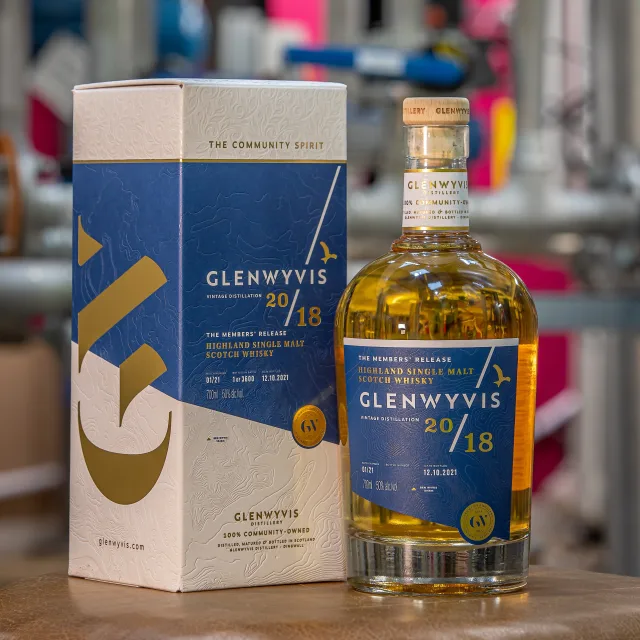
5 Things to Consider for your Bottle Labels
- The shape and size of the bottle: The shape and size of the bottle will affect the size and shape of the label. It is important to ensure that the label fits the bottle snugly and does not wrinkle or tear.
- The material of the bottle: The material of the bottle will also affect the type of label that can be used. For example, glass bottles can be labeled with paper or plastic labels, while plastic bottles will be limited to plastic materials. Does the bottle need to be squeezable in which case you will require a squeezable plastic material.
- The adhesive: How the label is going to be used can impact on the adhesive. Labels for wine bottles may need to withstand being in an ice bucket for long periods. This requires a specific adhesive. Labels going on to frozen food will also require adhesives with special qualities
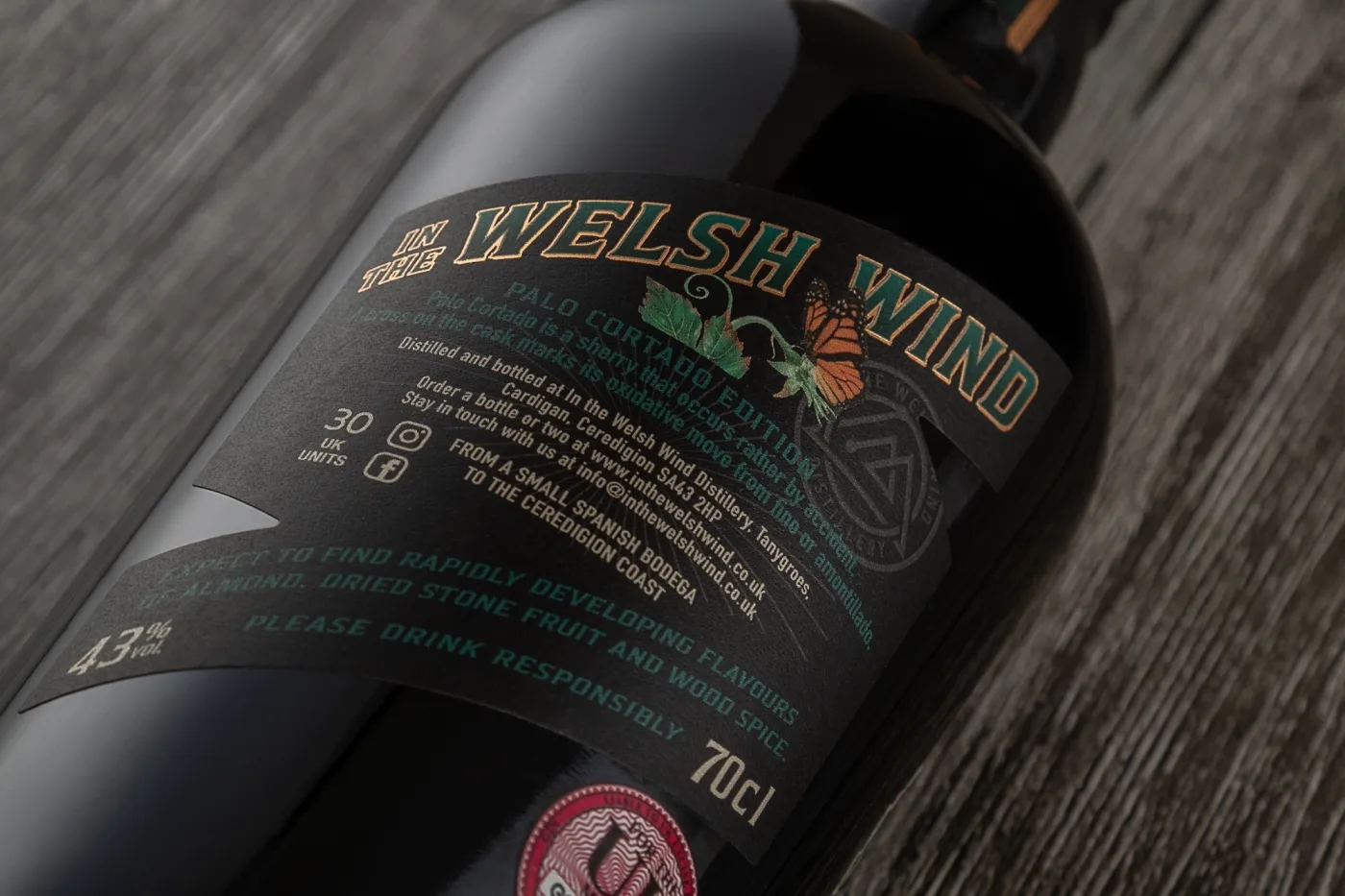
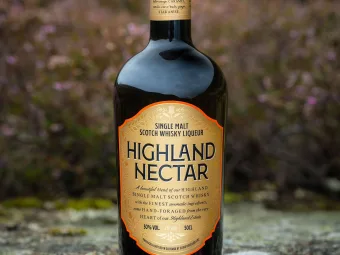
- The liquid inside the bottle: The colour of the liquid inside the bottle will also affect the design of the label. For example, a clear liquid will allow the label to be seen more easily, while a dark liquid will make it more difficult to see the details of the label.
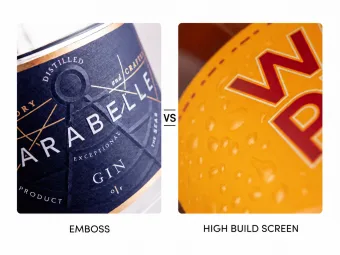
- The printing process: The printing process will also affect the design of the label. It is important that you involve Label Apeel as early in the design process as possible. This will allow you to optimise the impact of your bottle labels.
In addition to these technical considerations, there are a number of other factors that need to be taken into account when designing a bottle label. These include:
- The target audience: The target audience for the product will affect the design of the label. For example, a label for a children's product will be different from a label for a product that is marketed to adults.
- The brand identity: The brand identity should be reflected in the design of the label. This includes the use of the brand colours, fonts, and logos.
- The overall message: The overall message that the label conveys is important. The label should be clear, concise, and easy to understand.
By considering these factors, you can create bottle labels that combine visual impact with outstanding performance. If you'd like to discuss your next project or explore the best options for your labels, contact the Label Apeel team - we're here to help.