PPWR and EPR: What the New Packaging Rules Mean for Your Labels
Share
If your business sells products in the UK or EU, you’ve probably heard more about PPWR and EPR over the past year. While much of the discussion focuses on bottles, cartons and other primary packaging, one important component is often overlooked: the label.
Labels are no longer just a branding tool. As PPWR and EPR packaging regulations evolve, the materials, adhesives and finishes you choose can influence recyclability, compliance and, in some cases, future packaging costs.
The good news is that creating labels which support sustainability doesn’t mean compromising on premium shelf appeal. With the right specification, it’s possible to achieve both.
What PPWR and EPR mean for packaging
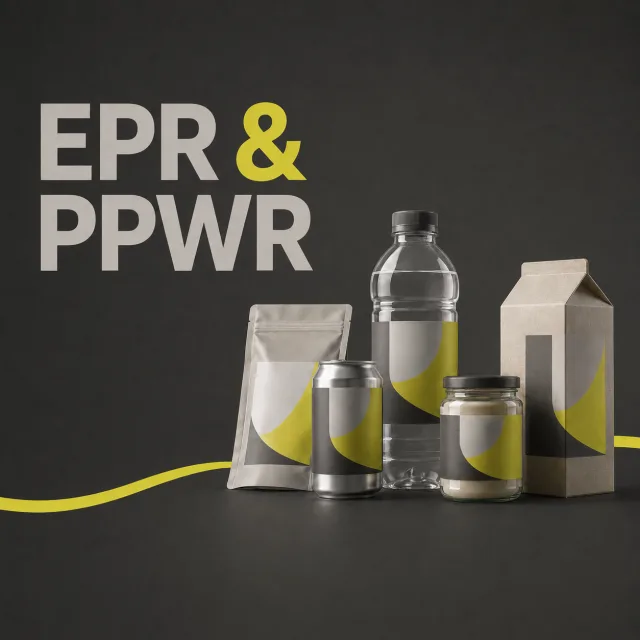
Although they’re often mentioned together, PPWR and EPR serve different purposes.
The Packaging and Packaging Waste Regulation (PPWR) is the European Union’s framework designed to reduce packaging waste and improve recyclability by setting more consistent requirements across member states.
Extended Producer Responsibility (EPR) is a system that makes producers financially responsible for the packaging they place on the market. In the UK, businesses must also report packaging data and, for certain packaging formats, assess recyclability using the Recyclability Assessment Methodology (RAM).
In simple terms:
- PPWR shapes how packaging should be designed for a more circular economy.
- EPR influences how packaging is reported and how compliance costs are calculated.
- Labels are included because they’re considered part of the overall packaging system.
Why labels matter for PPWR and EPR
A common misconception is that only the bottle, jar or carton is assessed for recyclability. In reality, recycling systems evaluate the complete packaging solution, including labels, sleeves, tags and adhesives.
A well-designed label can support the recycling process, while an unsuitable specification may make recycling more difficult.
For example, the compatibility between the label material and the primary packaging, the type of adhesive used, and the choice of coatings or embellishments can all influence how efficiently packaging moves through collection, sorting and recycling.
This means label specification is becoming a strategic decision rather than simply a design choice.
Understanding the UK’s Green, Amber and Red ratings
Under the UK’s EPR framework, certain packaging must be assessed using the Recyclability Assessment Methodology (RAM), which assigns a Green, Amber or Red rating.
- Green – Packaging is widely recyclable using existing UK collection and recycling infrastructure, resulting in lower disposal fees.
- Amber – Packaging is recyclable but presents some challenges during collection, sorting or reprocessing.
- Red – Packaging is difficult to recycle, contains certain problematic materials or lacks sufficient technical information to demonstrate recyclability, attracting the highest disposal fees.
Importantly, documentation matters as much as design. Missing technical information or unsupported material specifications can contribute to an unfavourable assessment, even where packaging may otherwise perform well.
While these ratings apply to the overall packaging system rather than labels alone, every component plays a part in the final outcome.
What PPWR and EPR mean for label specification
As sustainability becomes a bigger part of label and packaging design, brands should consider labels from the earliest stages of product development rather than as a finishing touch.
Some practical considerations include:
- Selecting label materials that are compatible with the primary packaging substrate where appropriate.
- Applying premium embellishments thoughtfully, balancing shelf impact with recycling performance.
- Maintaining accurate technical documentation for label materials and components to support future compliance assessments.
An example: cosmetics labels on PET bottles
To bring this to life, imagine a cosmetics brand using a heavily decorated polypropylene (PP) label on a clear PET bottle. The label uses a strong, permanent adhesive and multiple metallic embellishments to achieve a premium look.
From a consumer perspective, the packaging looks fantastic on the shelf. However, when it is assessed under tools like the UK’s Recyclability Assessment Methodology (RAM), the combination of a different label material, aggressive adhesive and high coverage decoration can make it harder for the PET bottle to be sorted and recycled efficiently. This could contribute to an Amber or even Red rating, and in turn, higher compliance costs.
Now imagine the same bottle with a carefully specified label: a PET-based label material compatible with the primary packaging, a wash-off or recycling-friendly adhesive, and a more selective use of foils or metallics. The overall look and brand cues can be preserved, but the packaging is more likely to move towards a Green outcome in recyclability assessments, supporting lower fees and stronger sustainability claims.
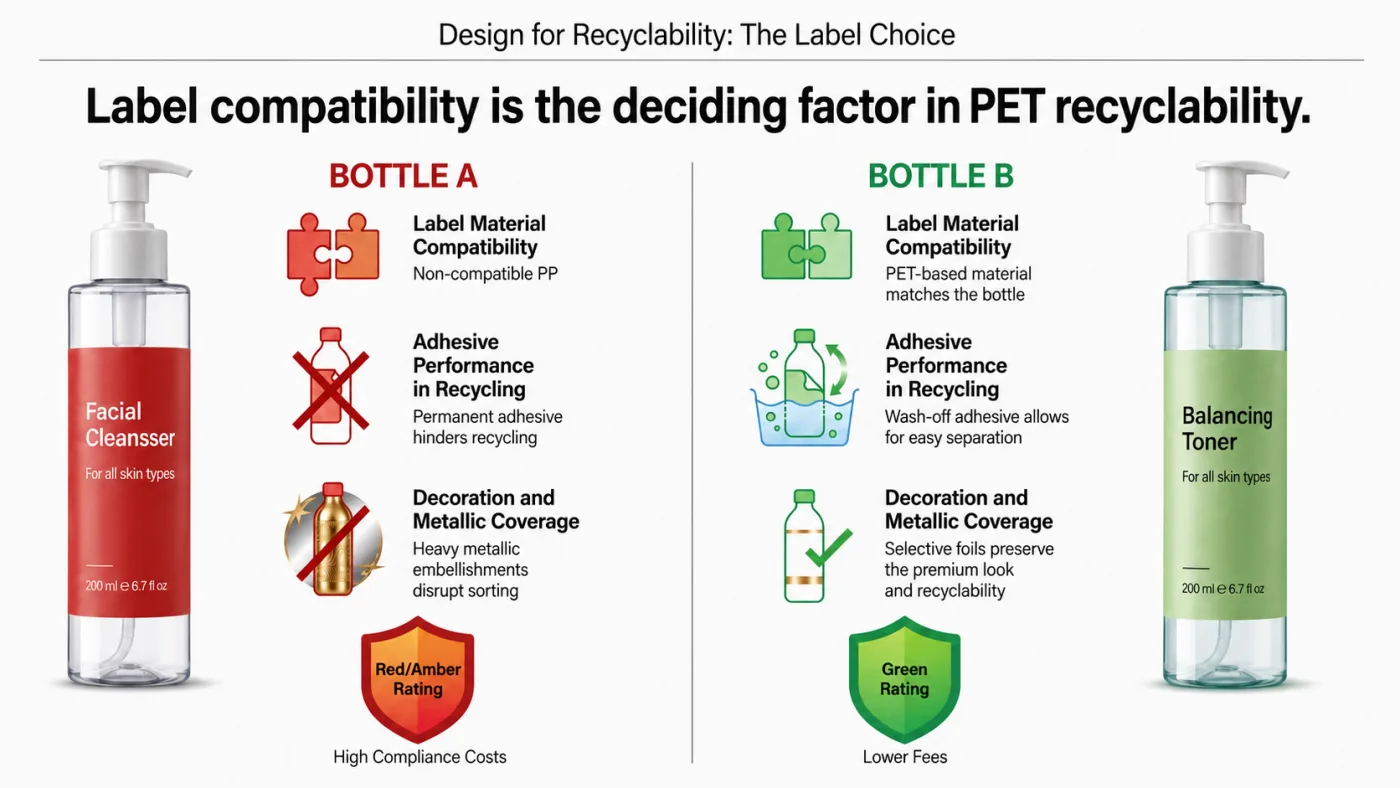
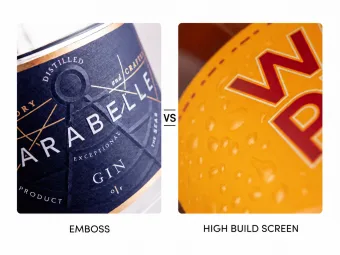
Small changes to material choice, adhesive selection and decoration coverage can significantly improve how packaging performs in real-world recycling systems without compromising its appearance. Premium finishes such as foils, embossing and tactile varnishes can still play an important role when specified thoughtfully as part of the complete packaging system.
Packaging identification and traceability
Article 15 of the PPWR introduces identification and traceability requirements that may affect label and packaging artwork. Packaging must carry a type, batch or serial number, or another element that allows it to be identified.
The manufacturer’s name, registered trade name or registered trademark, postal address and, where available, electronic contact details must also be provided, either on the packaging or through a QR code or another data carrier.
Businesses should confirm how these requirements apply to their products with their own regulatory or legal advisers.
Taking a more strategic approach
As PPWR and EPR regulations continue to evolve, many brands are reviewing labels and packaging with a greater focus on long-term sustainability and compliance.
Working with an experienced label manufacturer early in the specification process can help identify opportunities to improve recyclability while maintaining the quality and visual impact consumers expect. Small adjustments to material selection, adhesives or construction can often make a meaningful difference without changing the overall design.
By considering labels as an integral part of the packaging system, brands can make more informed decisions that support both regulatory compliance and long-term sustainability goals.
Frequently Asked Questions
Does PPWR apply to labels?
Yes. Labels are considered part of the overall packaging system and contribute to how packaging is assessed for recyclability under PPWR.
Can labels affect recyclability?
Yes. The label material, adhesive and decorative finishes can all influence how packaging performs during collection, sorting and recycling.
Does using a sustainable label mean sacrificing premium design?
No. Premium materials and embellishments can still be used successfully when they’re selected as part of a well-considered packaging specification.
Should I review my current label specifications?
If you’re placing products on the UK or EU market, it’s worth reviewing your label specifications alongside your wider packaging strategy to ensure they’re aligned with evolving regulatory and sustainability requirements.
How will this affect my costs and timelines?
Specification changes can influence material prices and lead times, but they don’t always mean higher overall costs.
Disclaimer: This article reflects guidance available at the time of writing and is intended for general information only. As PPWR and EPR continue to evolve, businesses should refer to the latest official legislation and guidance before making compliance decisions.
Contact Us
Need advice on your next label project, a technical challenge, or simply want to explore what's possible? Get in touch with our team and we’ll help you find the right solution for your product, budget and timescales.