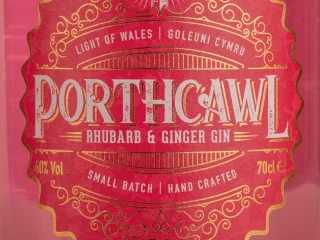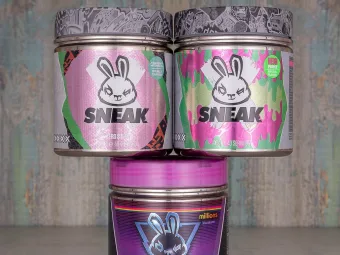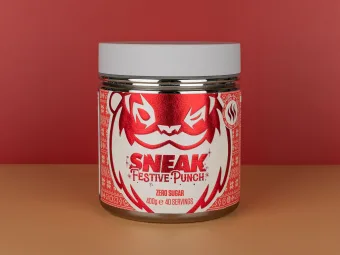
High-Build Varnish Labels with Raised, Tactile Detail
Share
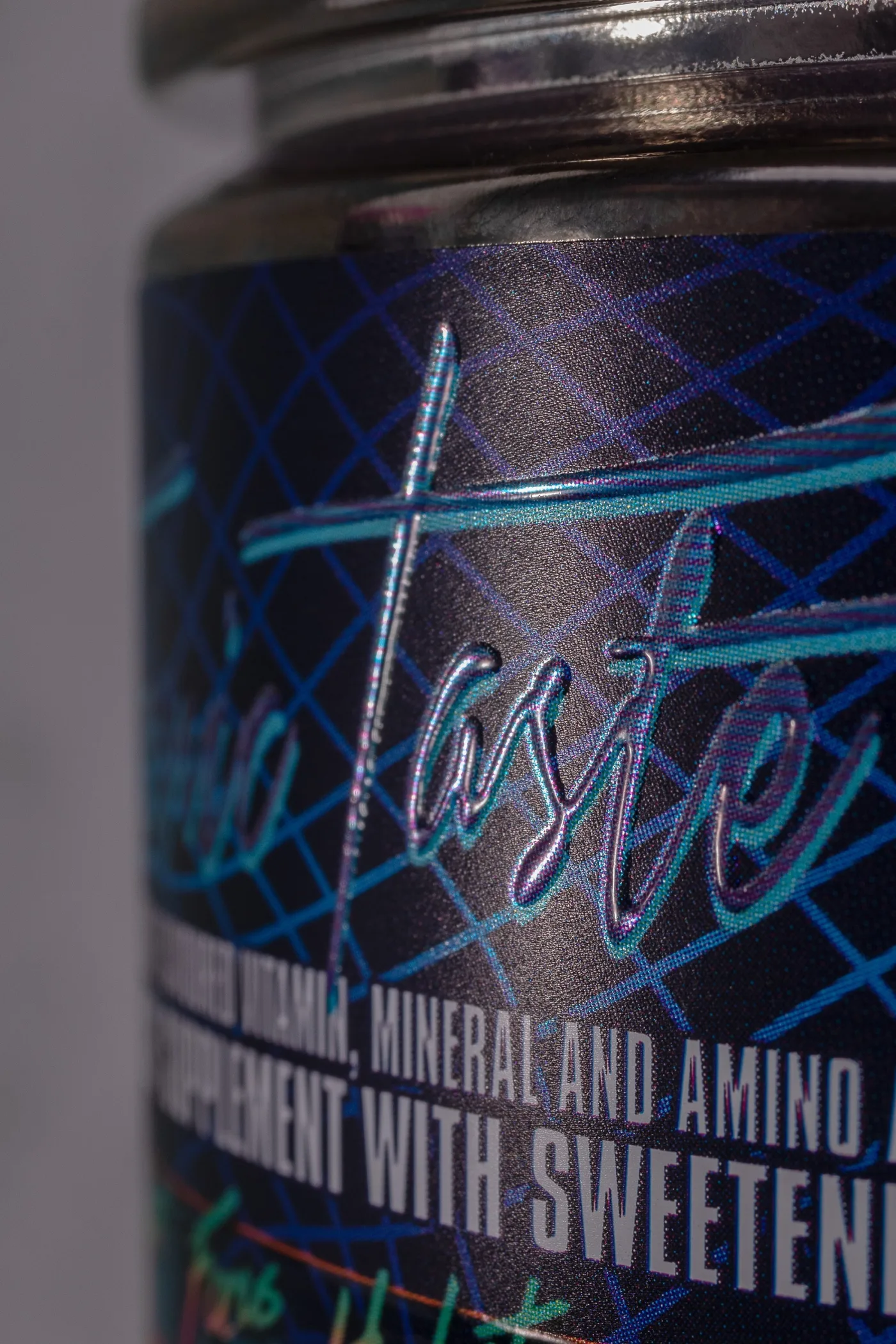
High-build varnish adds raised detail you can see and feel, helping logos, patterns, illustrations and selected text stand apart from the rest of a label. Applied through screen printing, it creates a controlled three-dimensional finish that catches the light and encourages people to engage with the packaging.
We apply high-build varnish with precision to create tactile labels that feel refined, balanced and consistent.
Start Your Next Project
What is high-build varnish?
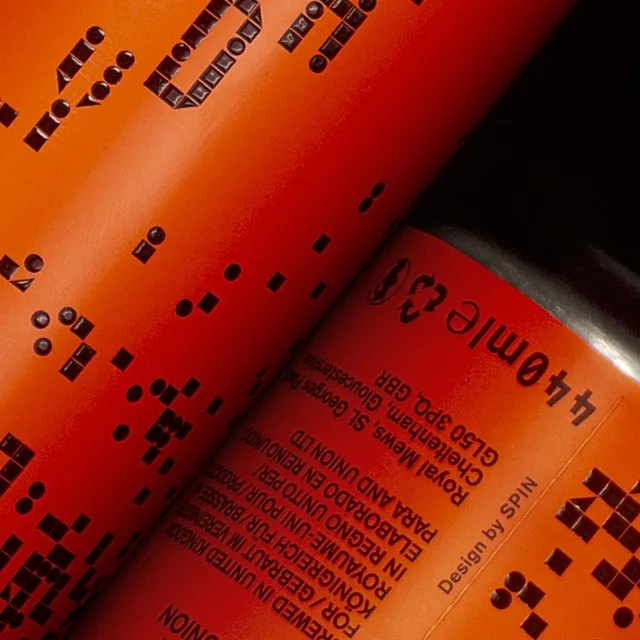
High-build varnish labels, also known as tactile varnish labels or raised varnish labels, use a clear coating applied through screen printing. The high-build screen varnish sits above the printed surface, creating detail that is both visible and noticeable to the touch.
It can be used to:
- Highlight logos, lettering and brand marks
- Add depth and definition to illustrated elements
- Create dots, waves and repeating patterns
- Introduce gloss contrast against matt surfaces
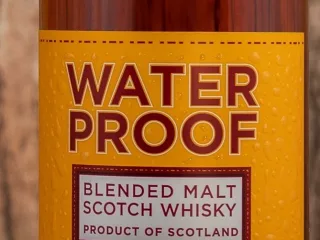
- Reproduce effects such as water droplets
The strongest results usually come from using it selectively, focusing attention on one or two important parts of the design.
Where high-build varnish works best
High-build varnish can be used across a wide range of product labels, with the material and finish selected around the application.
Common uses include:
- Wine and spirits labels: Adds a considered premium finish to core ranges, special releases and limited editions
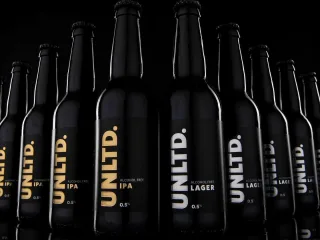
- Food and drink labels: Creates product-inspired textures and effects that make packaging more distinctive
- Cosmetics and personal care labels: Introduces tactile contrast without overcrowding clean or minimalist artwork
- Supplement and lifestyle labels: Gives bold designs and repeating patterns greater physical presence
It can also be combined with foiling, embossing, textured materials and matt finishes to create contrast between colour, light and touch.
Designing for a clean, controlled finish
The achievable height and definition depend on the artwork, material, coverage and level of detail. High-build screen needs enough surface area to create a noticeable raised effect, so very fine lines, tight spacing and small text may need careful consideration.
Our studio team checks supplied artwork for practical print tolerances and advises where adjustments may be needed. We don’t redesign your label; we help ensure the creative work you supply translates cleanly and consistently into print.
High-build varnish or embossing?
Both finishes add physical depth, but they work differently. Embossing reshapes the label material, while high-build varnish creates a raised layer on its surface.
High-build varnish is ideal for glossy details and repeated patterns, while embossing creates more structural depth and works particularly well with textured papers. They can also be combined when the design and material allow.
Talk to us about your high-build varnish labels
Share your artwork, label material, quantities and the effect you want to achieve. We’ll help you choose a practical specification that supports the design and performs consistently in production.
Contact Us
Need advice on your next label project, a technical challenge, or simply want to explore what's possible? Get in touch with our team and we’ll help you find the right solution for your product, budget and timescales.