Design Decisions That Save the Planet
Share
Every label starts as a blank decision: how big it is, how much material it uses, how much is quietly thrown away. For years, those decisions have happened almost on autopilot. A few extra millimetres here, a slightly taller label there, and no one sees the impact beyond the artwork on screen. But every off-cut has a cost, to your budget and to the planet. This video is about pressing pause on that habit, and showing how a simple shift in thinking can turn something as small as a label into a meaningful act of responsibility that your brand, your customers, and the world can feel proud of.
Transcript:
It sounds dramatic, but it’s true. In label printing, real sustainability doesn’t just come from futuristic materials or clever technology. It starts with small, practical choices designers make every day — and one of the most powerful is simply the size of your label. This is where design decisions can make a measurable difference. That one detail can cut waste, save energy, and reduce costs without compromising creativity. And the best part is, it moves you closer to delivering on your brand’s sustainability promises.
Think about it. Every label uses more than just the face material you see on a bottle or box. There’s adhesive, a liner, the boxes and cores it’s shipped in - and the energy used to print and transport it all. If a label is just a little larger than it needs to be, it can waste material not only on a surface level, but across the entire supply chain.
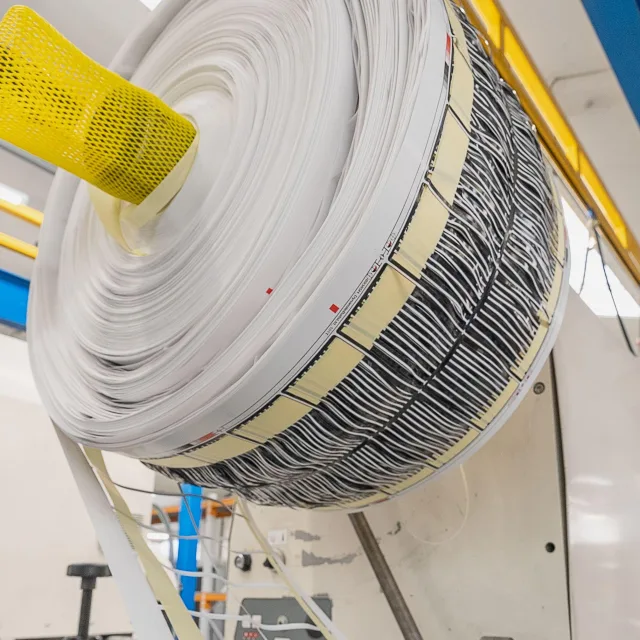
At Label Apeel, our presses run most efficiently when we use master rolls of self-adhesive paper at a 333mm width. We would like to utilise as much of the width of material as possible. A tall label might only run two across the printing web, leaving wide strips of unused material. We can choose to use a narrower width of material to reduce the amount of waste and cost.
But there is another way. If we reduce that height of the label slightly, then the same job could potentially run three across. That simple change instantly saves material, reduces waste, cuts press time and therefore energy use, which lowers costs.
So how do designers put this into practice? It starts with questioning dimensions. Does the label really need the extra height or width, or can it be tightened up without losing impact? Often the answer is yes - and the savings are significant.
Standardising sizes and material wherever possible add another layer of efficiency, because when multiple labels share the same cutter and material, they can be produced in a single run, reducing setup time and waste. Even the liner choice makes a difference. Moving from glassine to PET makes recycling easier.
And perhaps the biggest shift in mindset: Speak to your label printer at the start of the design process. We are often consulted at the end of the process when the customer has signed off the final artwork, making it more difficult to suggest changes.
The benefit of this approach is clear. True sustainability doesn’t always come from dramatic overhauls or recycled materials. Often, it’s about the small, intelligent decisions that reduce waste before it’s even created. Smarter label sizing lowers costs, conserves resources, and helps tell an authentic sustainability story.
Because in the end, the most sustainable label isn’t just about what it’s made from - it’s about using less of it in the first place.
If you’re working on a new label or reviewing an existing one, speak to our team today. We’ll help you refine sizing, layout and material choices so your design performs on shelf and delivers a more sustainable result.